
 Los fabricantes originales de sensores inerciales, que operan bajo el modelo IDM (Fabricante Integrado de Dispositivos), que implica I+D y fabricación internas, obtienen una ventaja integral. Esta ventaja no representa simplemente un ciclo cerrado en la metodología técnica, sino una profunda transformación que abarca desde la tecnología fundamental hasta la rentabilidad comercial. Específicamente, esto se manifiesta en los siguientes cinco aspectos:
I. Ventajas estratégicas integrales
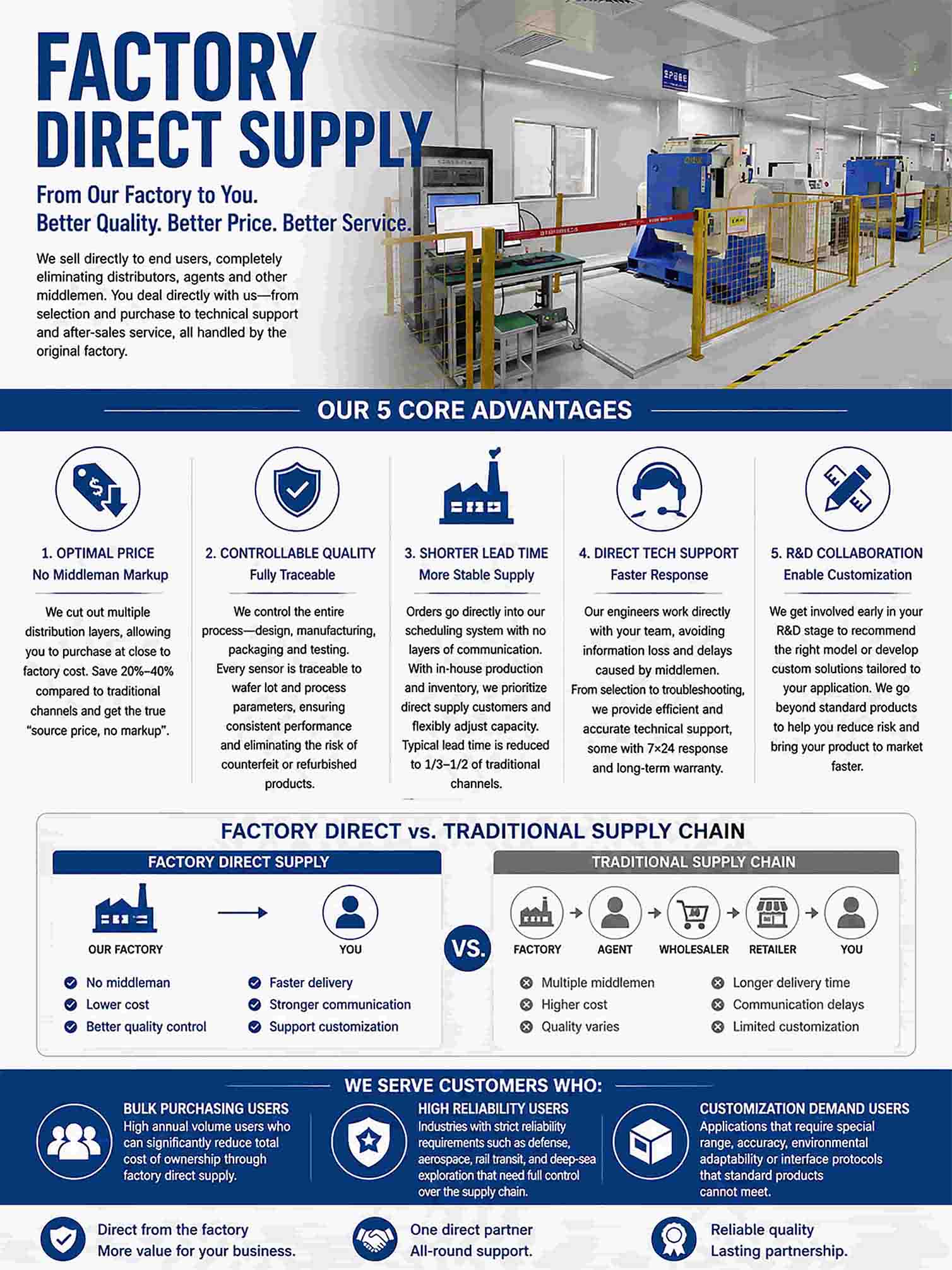
La ventaja integral que ofrece la I+D y la producción internas de un fabricante original se demuestra por su control autónomo y preciso de todo el proceso —desde el diseño, la fabricación y el empaquetado del chip hasta las pruebas—, garantizando así la seguridad de la cadena de suministro. Partiendo de esta base, los equipos de I+D pueden colaborar verticalmente para acelerar la iteración e integración tecnológica; por ejemplo, los sensores inerciales de Maxinmin Micro han alcanzado un alto grado de integración en un solo chip, abarcando funciones de detección, computación y seguridad, cumpliendo así con rigurosos estándares de seguridad funcional. En definitiva, este profundo nivel de control permite a la empresa comprender con precisión las demandas del mercado, ofrecer productos diferenciados y responder con rapidez a clientes nacionales e internacionales, estableciendo así una sólida ventaja competitiva en el ámbito de la sustitución de productos nacionales.
II. Tecnología principal y ventajas en el rendimiento del producto
El sistema de bucle cerrado integrado, inherente a la I+D y producción internas de un fabricante original, modifica radicalmente la lógica para optimizar el rendimiento de los sensores inerciales. En los modelos tradicionales, donde las distintas etapas están fragmentadas, la optimización de una única métrica suele ir en detrimento de otros indicadores de rendimiento. Por el contrario, la colaboración integrada permite la optimización simultánea, a nivel de sistema, de estructuras sensibles, circuitos, encapsulados y algoritmos. Este enfoque no solo garantiza un bajo nivel de ruido y una baja deriva, sino que también mejora significativamente la estabilidad en todo el rango de temperatura de funcionamiento, así como la resistencia a las vibraciones. La naturaleza autónoma y controlable de todo el proceso asegura que cada chip pueda rastrearse hasta sus parámetros de proceso específicos. Combinada con la retroalimentación de bucle cerrado derivada de las pruebas por lotes, esta capacidad garantiza una alta consistencia entre los diferentes lotes de producción y permite la previsibilidad y el control a largo plazo del rendimiento del producto. Esto supone un salto fundamental: pasar de ser líderes en "métricas de rendimiento individuales" a alcanzar la excelencia integral en "robustez, consistencia y previsibilidad".
III. Control de costes y ventajas de la personalización rápida
La tecnología autónoma de enlace completo permite a la empresa integrar profundamente cada etapa del proceso, desde el diseño hasta la producción, lo que le confiere dos ventajas fundamentales: Primero, personalización rápida: el equipo de I+D puede ajustar de forma flexible las especificaciones del producto, los parámetros de rendimiento e incluso los formatos de embalaje según los requisitos específicos del cliente, completando el desarrollo y la entrega de productos personalizados en plazos extremadamente cortos, sin las limitaciones de los procedimientos de los proveedores externos. Segundo, control de costes definitivo: al integrar verticalmente y eliminar los eslabones intermedios de la cadena de valor, y al optimizar continuamente los índices de rendimiento y la eficiencia a lo largo de todo el proceso, la empresa puede minimizar los costes de producción al tiempo que garantiza un alto rendimiento; esto asegura que incluso los productos personalizados puedan beneficiarse de las ventajas de costes que normalmente se asocian a la producción en masa. Esta capacidad, caracterizada por la personalización bajo demanda y los costes controlables, es precisamente lo que distingue a la tecnología autónoma de enlace completo de los modelos tradicionales.
IV. Ventajas en la seguridad de la cadena de suministro y el control autónomo
La ventaja de la integración total garantiza que los componentes centrales críticos ya no dependan de las importaciones, mitigando así fundamentalmente los riesgos de los puntos críticos y salvaguardando la defensa nacional y la seguridad de la infraestructura. Mediante la innovación independiente, las empresas pueden construir una sólida cartera de patentes de tecnologías clave, estableciendo un portafolio de propiedad intelectual amplio y denso. Partiendo de esta base, pueden —desde la fase de diseño de alto nivel— formular procesos de gestión de la cadena de suministro que cumplan con los más altos estándares de seguridad, al tiempo que obtienen certificaciones para la localización completa y el control autónomo por parte de organismos autorizados. Además, este enfoque permite la gestión integral del ciclo de vida y la optimización de los productos —que abarca el diseño, la verificación, la producción y la mejora—, asegurando así que todo el proceso permanezca bajo control autónomo.
V. Ventajas en la cobertura de aplicaciones y el fortalecimiento del ecosistema
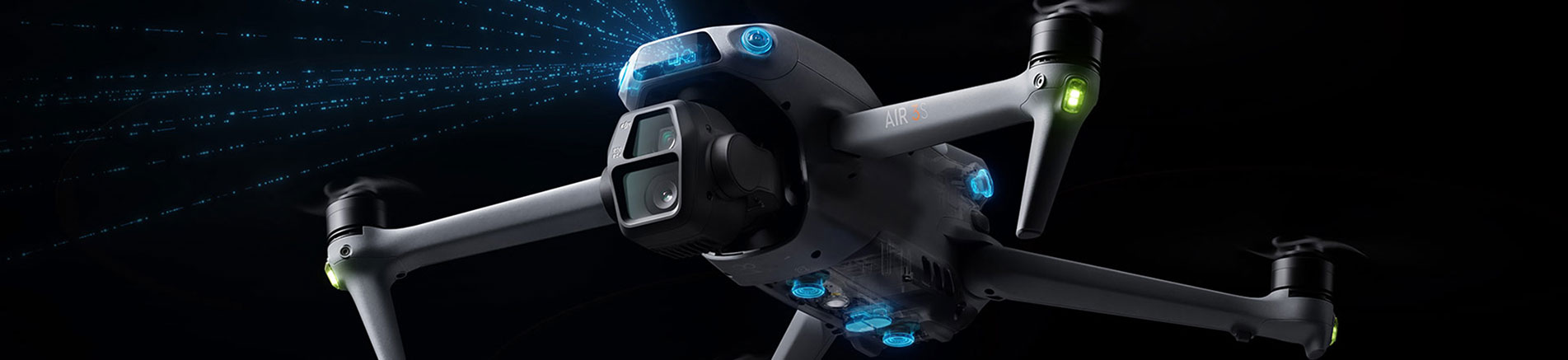
Gracias a su tecnología autónoma de enlace completo, los sensores inerciales de Maixinminwei cubren sistemáticamente un amplio espectro de aplicaciones de alta gama, desde el nivel industrial hasta el táctico y el de navegación. En los sectores industrial y de infraestructuras, estos productos se utilizan ampliamente en aplicaciones como la monitorización de trenes de alta velocidad y puentes, la monitorización del estado de equipos industriales y la monitorización de la salud estructural, cumpliendo con los estrictos requisitos de fiabilidad a largo plazo y adaptabilidad a entornos adversos. En aplicaciones tácticas, la empresa proporciona capacidades de detección de actitud y control de movimiento de alta precisión para plataformas como drones, vehículos terrestres no tripulados, embarcaciones de superficie y submarinas no tripuladas y diversos sistemas robóticos. En aplicaciones de navegación, los productos satisfacen los requisitos de estabilidad operativa de entornos dinámicos y de alta fiabilidad, como los que involucran satélites en órbita terrestre baja, microsatélites, enjambres de drones, sistemas aeroespaciales y equipos de defensa. Además, la empresa ofrece un servicio integral de "Sensor + Algoritmo + Solución de Aplicación", lo que reduce significativamente las barreras de entrada para los clientes. Este servicio también permite la rápida personalización de productos en función de requisitos específicos, ofreciendo así soluciones de detección inercial de alta gama y adaptadas con precisión a clientes de diversos sectores y niveles operativos.
Conclusión
La ventaja de la integración total —caracterizada por la I+D y la fabricación propias— representa fundamentalmente una reestructuración de toda la cadena de valor. Marca una transición de la integración pasiva en ecosistemas tecnológicos extranjeros a la definición autónoma de estándares, el control de costes y el impulso de la innovación iterativa. Este cambio estratégico permite a la empresa garantizar simultáneamente la seguridad de la cadena de suministro y, al mismo tiempo, reducir el coste de los sensores de alto rendimiento hasta un umbral crítico: el punto en el que la adopción masiva se vuelve económicamente viable. De este modo, allana el camino para la aplicación a gran escala de sensores inerciales de alta gama en campos estratégicos y de vanguardia como el aeroespacial, el de equipos de defensa y el de exploración de aguas profundas.
dejar un mensaje
Escanea y envíalo a WeChat. :